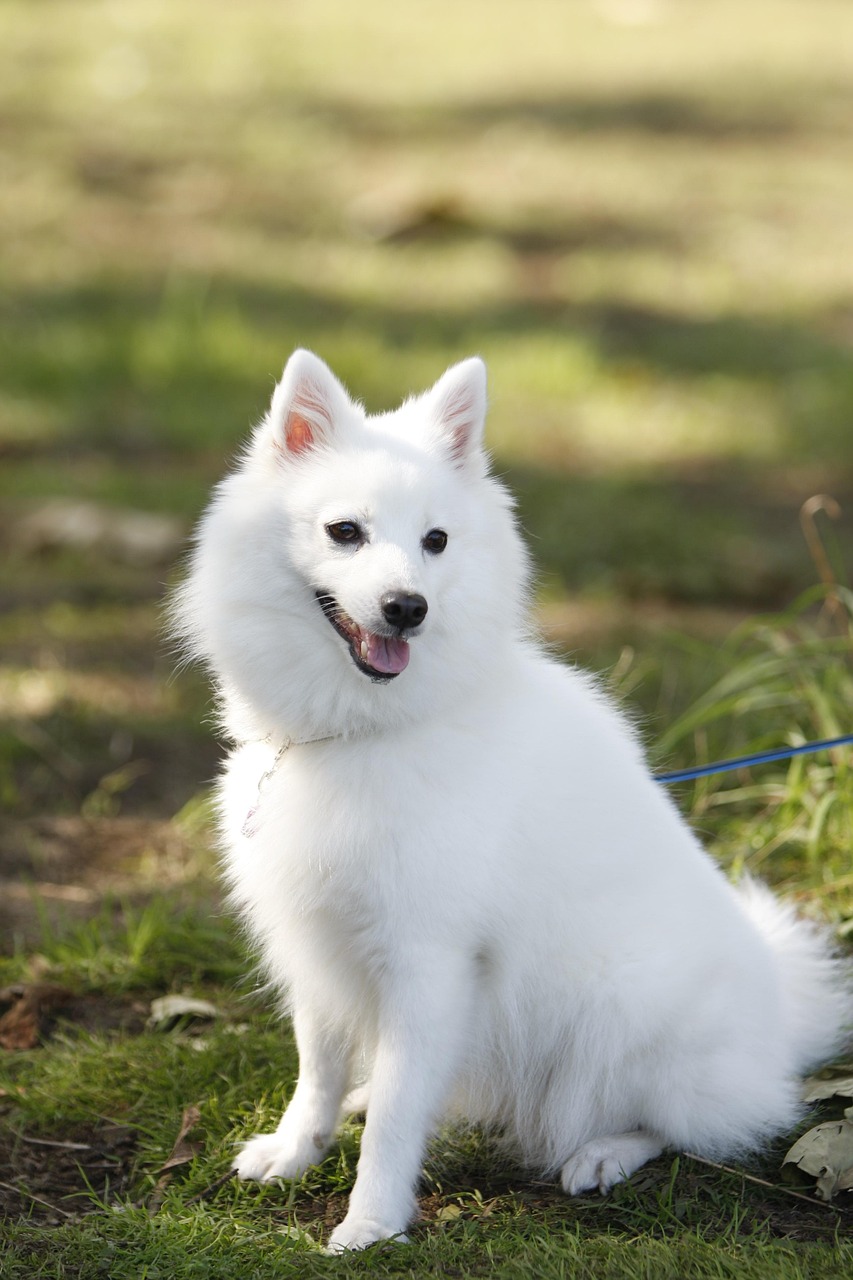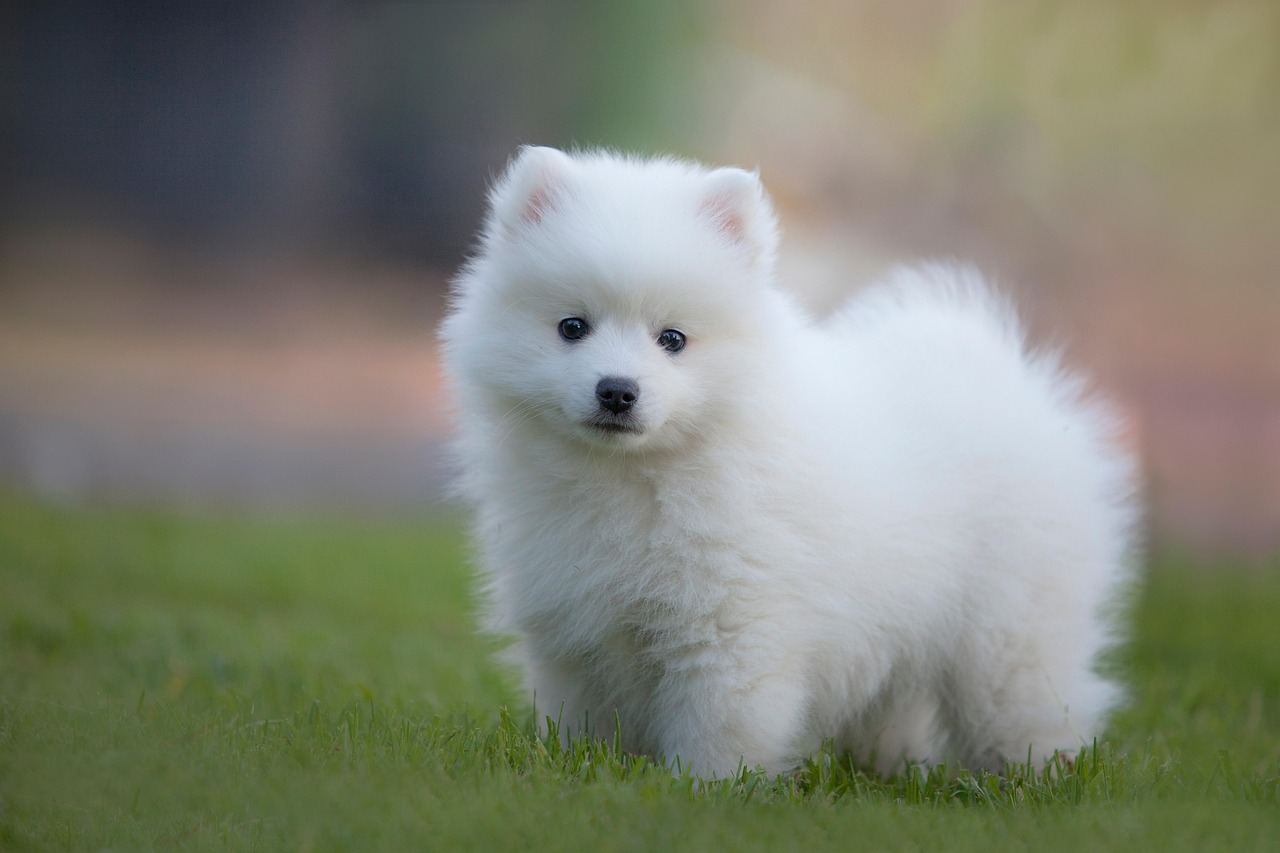
Japanese Spitz
Cheerful, Alert, Loyal, Fluffy, Playful, Family-Friendly, Watchful Companion
The Japanese Spitz is a small, bright companion with a big smile and an even bigger love for family life. They are playful, alert, and affectionate, and they often follow their people from room to room just to be near them. With daily walks and a little training time, they stay happy, well-mannered, and fun to live with.
Popular Japanese Spitz Comparisons
Not sure which breed fits your lifestyle?
Answer a few quick questions to discover dog breeds that fit your lifestyle.
Know your Japanese Spitz
Breed Group: Non-Sporting
Size: Small
Height: 10–14 inches
Weight: 11–20 pounds
Coat Type: Double coat with a dense, soft undercoat and straight, medium-length outer coat that forms a mane around the neck and a plumed tail
Coat Colors: Pure white is standard, giving the breed its bright, cloud-like appearance
Temperament: Friendly, confident, and very people-focused. Japanese Spitz dogs usually want to be part of whatever is happening in the home, and they love attention, play, and routine. They are naturally alert and can be vocal when someone arrives, but with early training they learn when to settle. They tend to do best with owners who enjoy daily interaction, simple obedience, and a dog that stays close.
Energy Level: Moderate to High; enjoys brisk walks, active play, and being involved in family life
Good with Children: Yes, especially when properly socialized and interactions are supervised with very young kids
Good with Other Pets: Yes, generally gets along well with other dogs and household pets when introduced properly
Trainability: High; intelligent and eager to please, responds well to consistent, positive reinforcement and enjoys learning tricks and obedience
Barking Tendency: Moderate to High; naturally alert and vocal as a watchdog, may bark to alert the family but can be trained to moderate this
Lifespan: 12–16 years
Health Issues: Patellar Luxation, Dental Problems (tartar buildup and tooth loss), Eye Issues (tear staining or cataracts), Allergies, and occasional skin sensitivity if grooming is neglected
Exercise Requirements: Moderate; needs daily walks, playtime, and mental enrichment, but does not require heavy endurance exercise—ideal for active families or individuals
Hypoallergenic: No (they shed seasonally and require regular brushing to manage loose hair and maintain coat health)
History: The Japanese Spitz was intentionally developed in Japan during the early 1900s by crossing various small spitz-type breeds to create a hardy, adaptable companion with a striking white coat and confident temperament. Refined in the 1920s–1930s, the breed gained popularity in Japanese cities as a family-friendly watchdog and companion. After World War II, the Japanese Spitz began appearing in Europe and other regions, where it earned a reputation as a cheerful, intelligent, and relatively low-maintenance spitz for modern living. Today, it remains a beloved breed for owners who want a bright, fluffy, and loyal companion that thrives on close human interaction.